
Equipment Guides
How to Choose Commercial Refrigeration for Your Kitchen
A practical guide to choosing reach-ins, prep tables, freezers, and bar refrigeration for a busy foodservice operation.
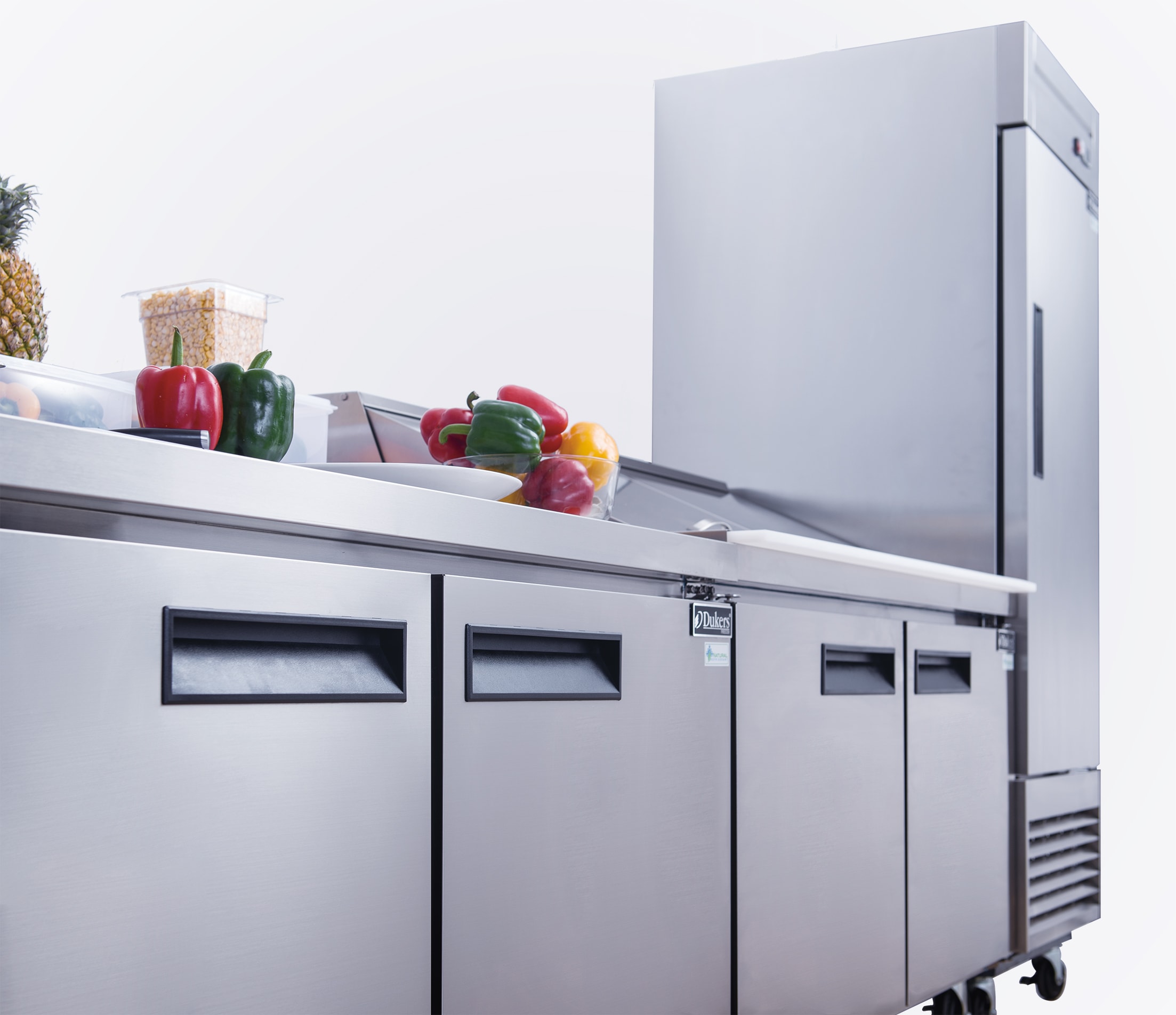
Commercial refrigeration is not a one-size-fits-all purchase. The right equipment keeps ingredients accessible, supports safe holding temperatures, and helps your team move through service without working around a bottleneck. The wrong fit can eat up valuable floor space, slow prep, or leave you short on cold storage just when demand picks up.
For a new restaurant, expansion, replacement unit, or kitchen refresh, start with the way your operation actually works. Your menu, service volume, available footprint, and product mix should guide the decision long before you compare finishes or door styles. This guide walks through the practical questions that help you narrow the field.
## Start with your kitchen workflow
Before choosing a model, map the route ingredients take from delivery to service. Note where inventory is received, where prep happens, and where the line needs quick access during a rush. Refrigeration should support that flow instead of forcing extra steps.
A high-volume kitchen may need a combination of equipment types rather than one oversized unit. For example, a reach-in can support back-of-house storage while a refrigerated prep table keeps frequently used ingredients in arm's reach. A bar operation has different needs again, with beverage coolers or kegerators placed close to the point of service.
Consider these workflow questions:
- What ingredients need to be cold at each station?
- How often will the team open the doors during peak service?
- Is the unit mainly for bulk storage, active prep, display, or beverage service?
- Does the kitchen need refrigeration under a work surface to protect aisle space?
- Will delivery staff need a dedicated place to load product before it moves into the kitchen?
Write down the answers. They turn a broad equipment search into a more useful conversation about capacity, configuration, and placement.
## Match the equipment type to the job
Commercial refrigeration comes in several forms, and each is designed for a different role. Understanding the basics makes it easier to compare models without getting distracted by features that do not serve your operation.
### Reach-in refrigerators and freezers
Reach-ins are a dependable choice for general cold or frozen storage. They work well near receiving areas, prep zones, or back-of-house storage. Think about door count, shelf layout, interior capacity, and the clearance needed for doors to open fully. A glass-door configuration can make inventory easier to identify, while solid doors may be a better fit for back-of-house storage.
### Undercounter refrigeration
An undercounter refrigerator or freezer adds cold storage while preserving a usable worktop. These units can be especially valuable in compact kitchens, service lines, and satellite stations. Measure not just the opening where it will sit, but also ventilation requirements and room for service access.
### Refrigerated prep tables
Sandwich, salad, and pizza prep tables keep pans of ingredients organized and chilled during active assembly. They are often a smart choice where speed and consistency matter. Compare pan capacity, cutting-board depth, storage below the work surface, and the number of team members who need to work at that station.
### Chef bases and refrigerated worktops
Chef bases combine cold storage with a reinforced top that can support cooking equipment. Refrigerated worktops create a similar combination of workspace and storage. These formats can consolidate a crowded line, but the load above and the total electrical requirements need to be part of the plan.
### Merchandisers, display cases, and bar refrigeration
Front-of-house equipment changes the question from storage alone to visibility and customer access. Merchandisers and display cases help showcase beverages, desserts, or grab-and-go items. Back-bar coolers, bottle coolers, and kegerators are geared toward fast beverage service. Look for door style, shelving, lighting, and access from the service side.
## Measure more than the opening
A unit may fit between two walls and still create a problem if its doors block an aisle or if the condenser cannot breathe. Accurate measurements reduce surprises and help you compare equipment with confidence.
Measure the available width, depth, and height. Then add the clearances needed for doors, drawers, ventilation, and service access. Check the path from the delivery point to the final location too. Tight turns, narrow doors, elevators, and uneven thresholds can affect which size and configuration make sense.
It also helps to confirm the location of electrical connections, drains, water supply, and nearby heat-producing equipment. Refrigeration works hardest when it is placed near hot cooking equipment or in a poorly ventilated area. A thoughtful layout can help protect performance and make routine maintenance easier.
## Plan capacity around real inventory
Capacity is not simply a matter of buying the largest cabinet that fits. Think about what you store, how often deliveries arrive, and how much product must be accessible during the busiest part of the day.
A menu with fresh produce, proteins, dairy, sauces, and prepared components has different storage needs from a beverage-forward concept or a bakery display. Separate cold and frozen requirements early. If certain ingredients are used constantly, keeping them in a prep table or undercounter unit can reduce traffic around your main reach-in.
Seasonality matters as well. Catering, holiday menus, weekend volume, and special events may require more cold storage than a typical weekday. Planning for those peaks can help avoid temporary workarounds when the kitchen is already busy.
## Confirm utility and compliance requirements
Commercial equipment needs the right power supply and installation conditions. Before making a final selection, verify voltage, plug type, amperage, and any dedicated circuit requirements. If the equipment uses water or a drain, confirm the connections and any local installation considerations with qualified professionals.
Certifications can also matter to your project, inspector, landlord, or operation. Keep specification sheets organized so your installer and project team can verify the details before delivery. This is especially important when multiple pieces of refrigeration are being added at once.
## Think beyond the purchase day
The best refrigeration choice balances upfront needs with the long-term realities of cleaning, maintenance, staffing, and growth. Door gaskets, shelving, filters, and accessible components all influence how easy a unit is to live with day after day.
Choose a configuration your team can keep organized. A clear storage plan helps reduce door-open time, makes inventory easier to find, and can support smoother prep. It is also worth leaving room for future changes, whether that means selecting a flexible worktop unit or planning electrical capacity for a later expansion.
## Build your refrigeration plan with confidence
A commercial refrigeration purchase should support your menu, your team, and the physical limits of your space. Start with workflow, measure carefully, identify cold and frozen storage needs, and confirm utilities before comparing final models. That approach gives you a stronger foundation for a practical equipment decision.
When you are ready to narrow the options, [request a tailored commercial refrigeration quote](/lp/commercial-refrigeration-quotes?utm_source=blog-aab&utm_medium=blog&utm_campaign=cmp_im9A2TH98dYSKXAZnw6RR5QYwD2gyqk288fI6YKs7p4&utm_content=act_xgUc96LXBUiSjLaY6rVsHSjByKk_UDTROYpg0BfVVqE&utm_term=topic_commercial-refrigeration). Share your kitchen dimensions, the equipment categories you are considering, and your project timing so Everything In One can help you identify a fit for your operation.
Request a refrigeration quote